
About WDC
Our History
The Women’s Development Centre (WDC) is a pioneering women’s rights organisation based in Kandy, Sri Lanka, with a proud history spanning 40 years. What began in 1986 as a small volunteer initiative has grown into a dynamic, rights-based organisation responding to the changing social, economic, and political realities of the country.
WDC was founded as an extension of church-based social work, initially providing crisis support to women facing violence and abuse. In response to the violence of the late 1980s, including the JVP insurrection, WDC established a shelter and children’s home to support widows and civilians affected by conflict. Officially registered as an NGO in 1989, the organisation began its formal journey with a small team of trained volunteers committed to community wellbeing.
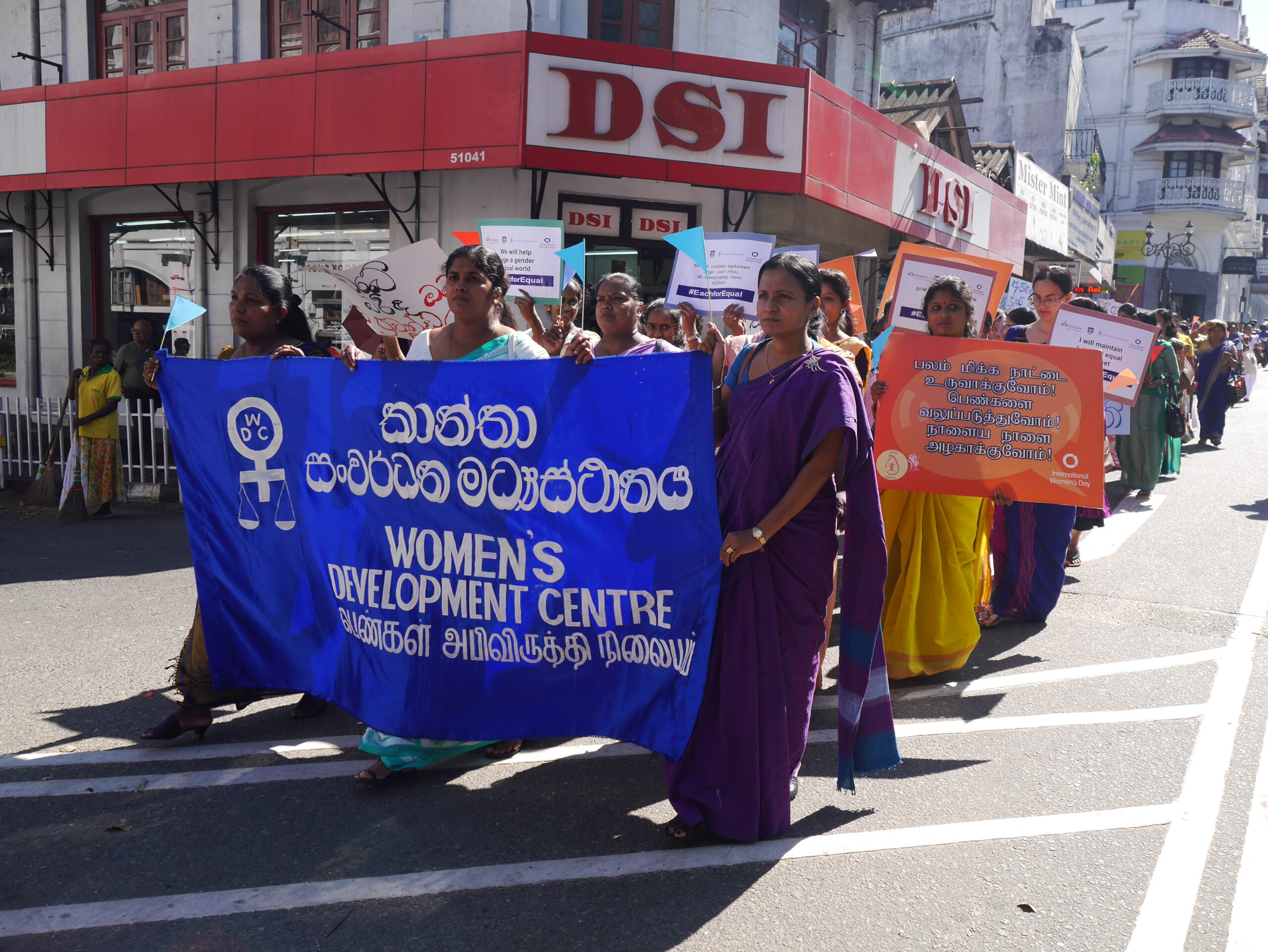
Throughout the 1990s, WDC expanded its work to address emerging needs. This included the establishment of a Community-Based Rehabilitation (CBR) programme for children and youth with disabilities, specialised shelters for survivors of violence, health and nutrition initiatives, and education programmes in conflict-affected communities. During the civil war, WDC prioritised the safety of survivors by constructing its own shelter facilities and worked closely with state institutions, including supporting the establishment of a women and children’s desk at the Kandy Police Station. By the late 1990s, WDC had strengthened its regional presence through South Asian disability networks and inclusive education initiatives.
In the 2000s, WDC deepened its advocacy and humanitarian work. It played a significant role in post-tsunami recovery, constructing both temporary and permanent housing for affected families. The organisation also brought grassroots women’s groups together under the Network of Women’s Organisations (NoW) to strengthen collective advocacy. In 2007, WDC launched its social enterprise, Sthree, to promote economic empowerment for women and persons with disabilities. Following the end of the civil war in 2009, WDC provided emergency relief to internally displaced families in the North.
A major transition occurred in 2013 with the passing of WDC’s founder, Mrs. Pearl Stephen. Under the leadership of Ms. Sashi Stephen, appointed Executive Director in 2015, WDC entered a new phase focused on good governance, human rights education, and state accountability, including engagement with international mechanisms such as CEDAW. The opening of the Sthree Café in 2016 further strengthened pathways to dignified employment for women and youth with disabilities.
In recent years, WDC has responded to national crises by supporting economic resilience, organic farming, home gardening, and humanitarian relief—most notably during the 2022 economic crisis and the 2025 cyclone response. Today, WDC works across 15 districts, operating through a matrix organisational structure and guided by its 2026–2030 Strategic Plan, with a clear and sustained commitment to Gender Justice.
Purpose
Our Goals and Objectives
WDC’s overarching objective is to help build an inclusive society grounded in gender equality. This includes challenging the systems and practices that suppress women—whether in workplaces, families, cultural and religious institutions, or state structures—and ensuring that women’s economic contributions are fairly recognised and valued.
The organization’s work is divided into two primary pillars, each with its own strategic objective:

Social justice
WDC works to prevent violence and discrimination against women, children, and marginalized communities through a holistic, rights-based approach. This includes providing safe shelters and crisis support, raising community awareness on health rights, laws, and policies, promoting independent living and stronger protections for persons with disabilities, strengthening children’s agency through education, and advancing environmental justice and climate resilience.
Economic Justice
WDC promotes gender equality by strengthening the economic independence of women and girls. This includes providing vocational training and access to recognised qualifications, creating market opportunities for women survivors of violence and persons with disabilities, supporting cooperative societies, and advocating against exploitative microfinance practices that harm marginalized communities.
Our Team
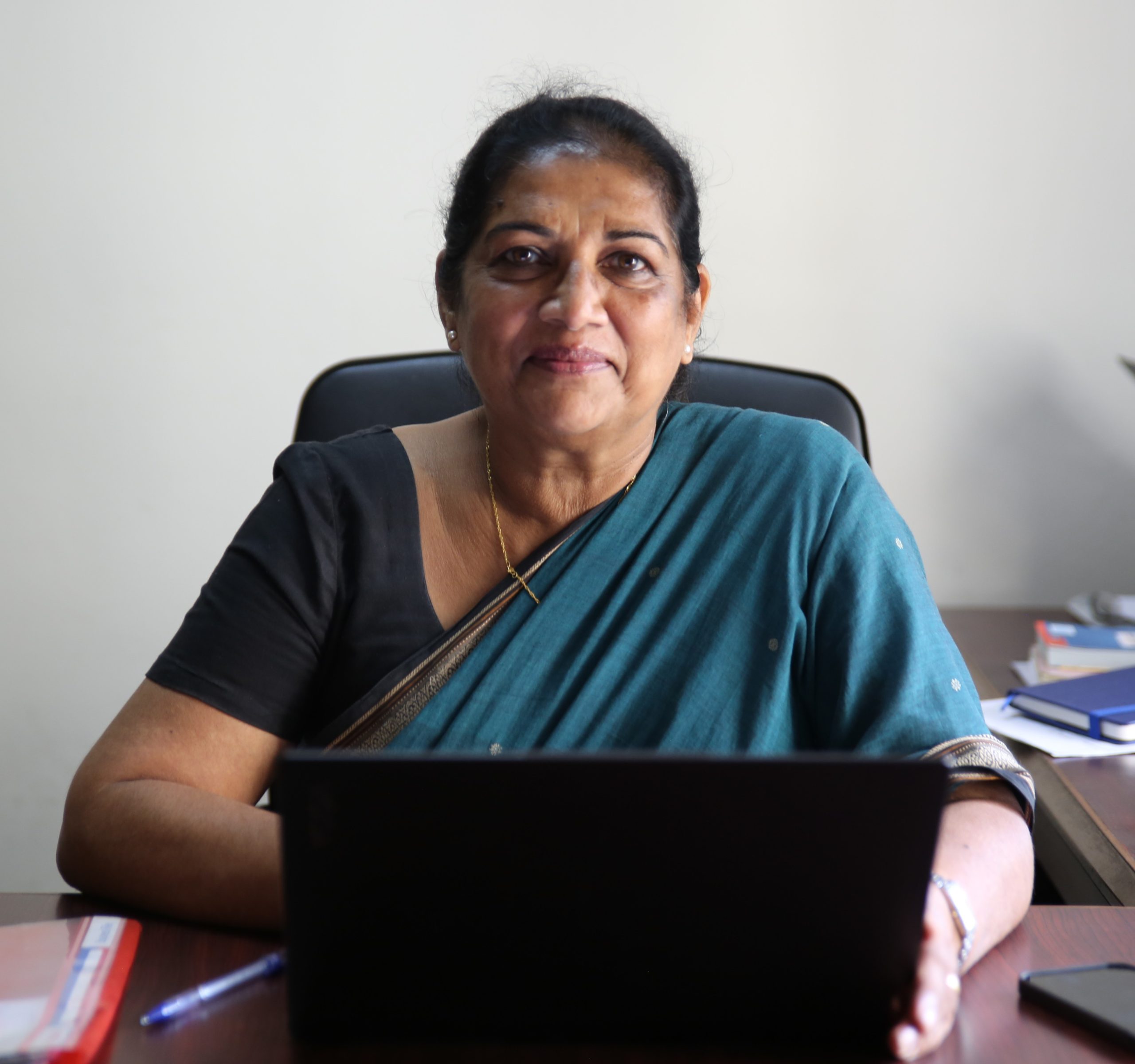
Ms. Sashi Stephen
CEO / Executive Director
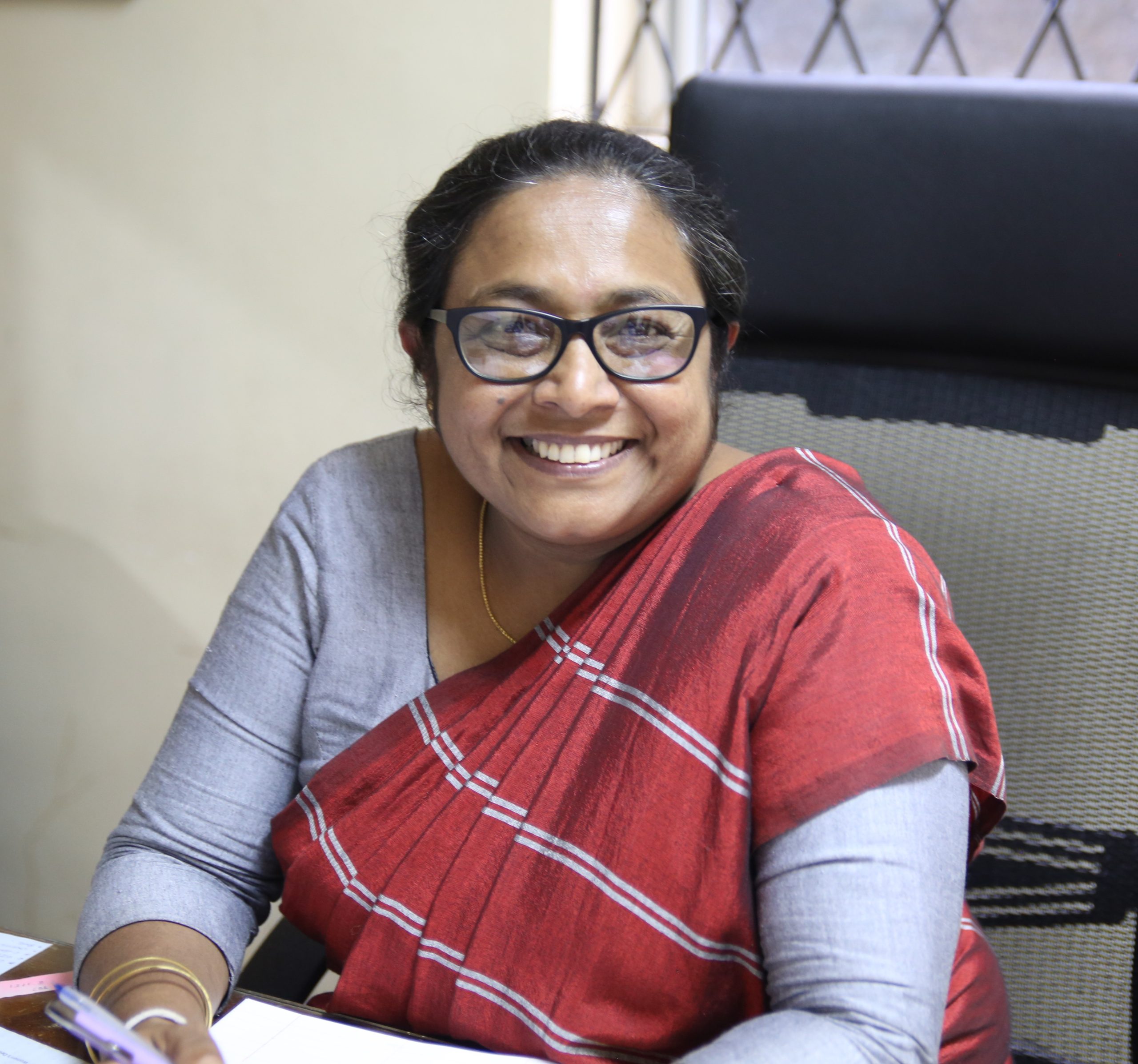
Ms. Chandrathilaka Liyanaarachchi
Head of Programmes
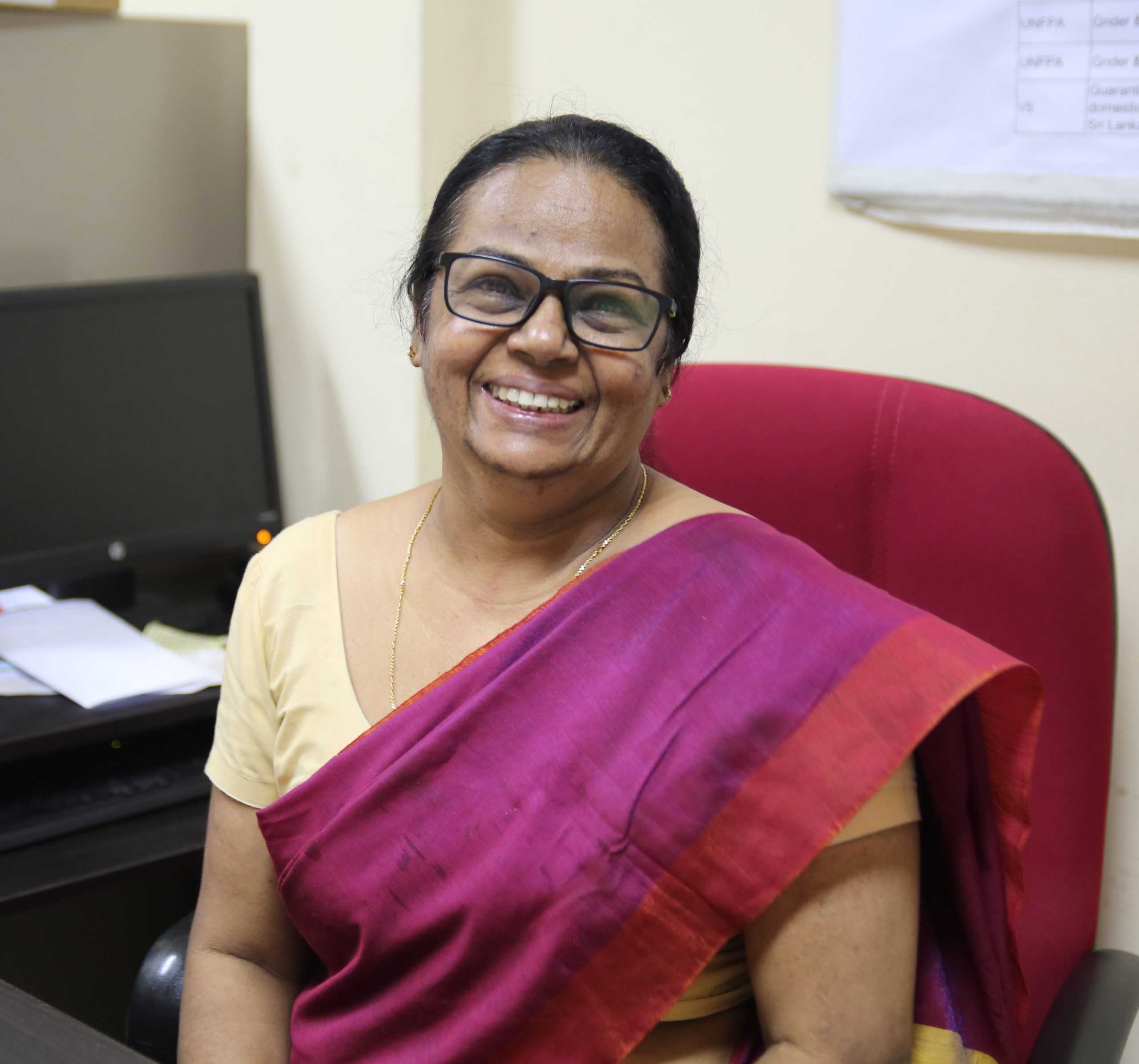
Ms. Dammika Perera
Finance Manager
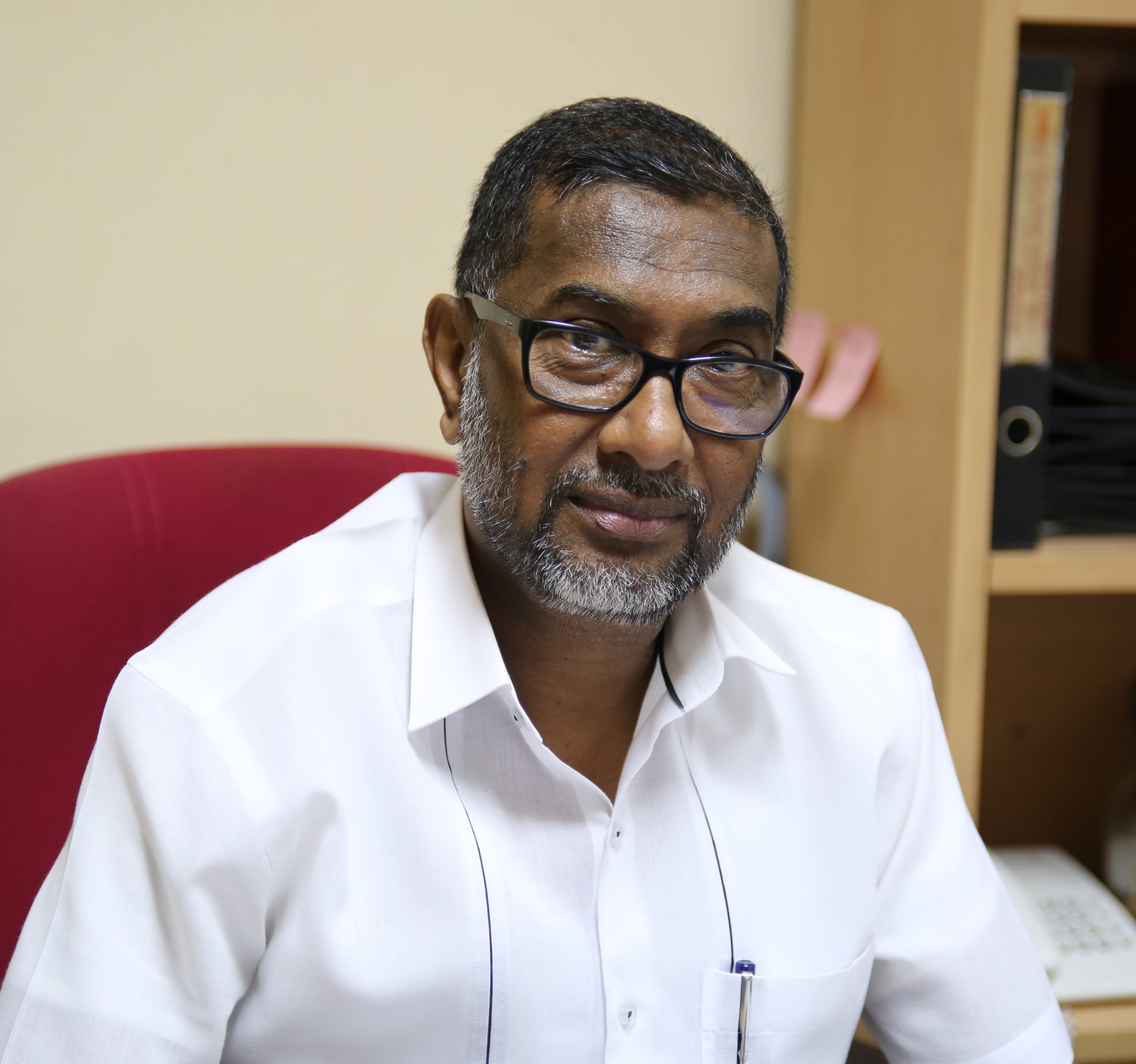
Mr. Sudharshana De Silva
Procurement Officer
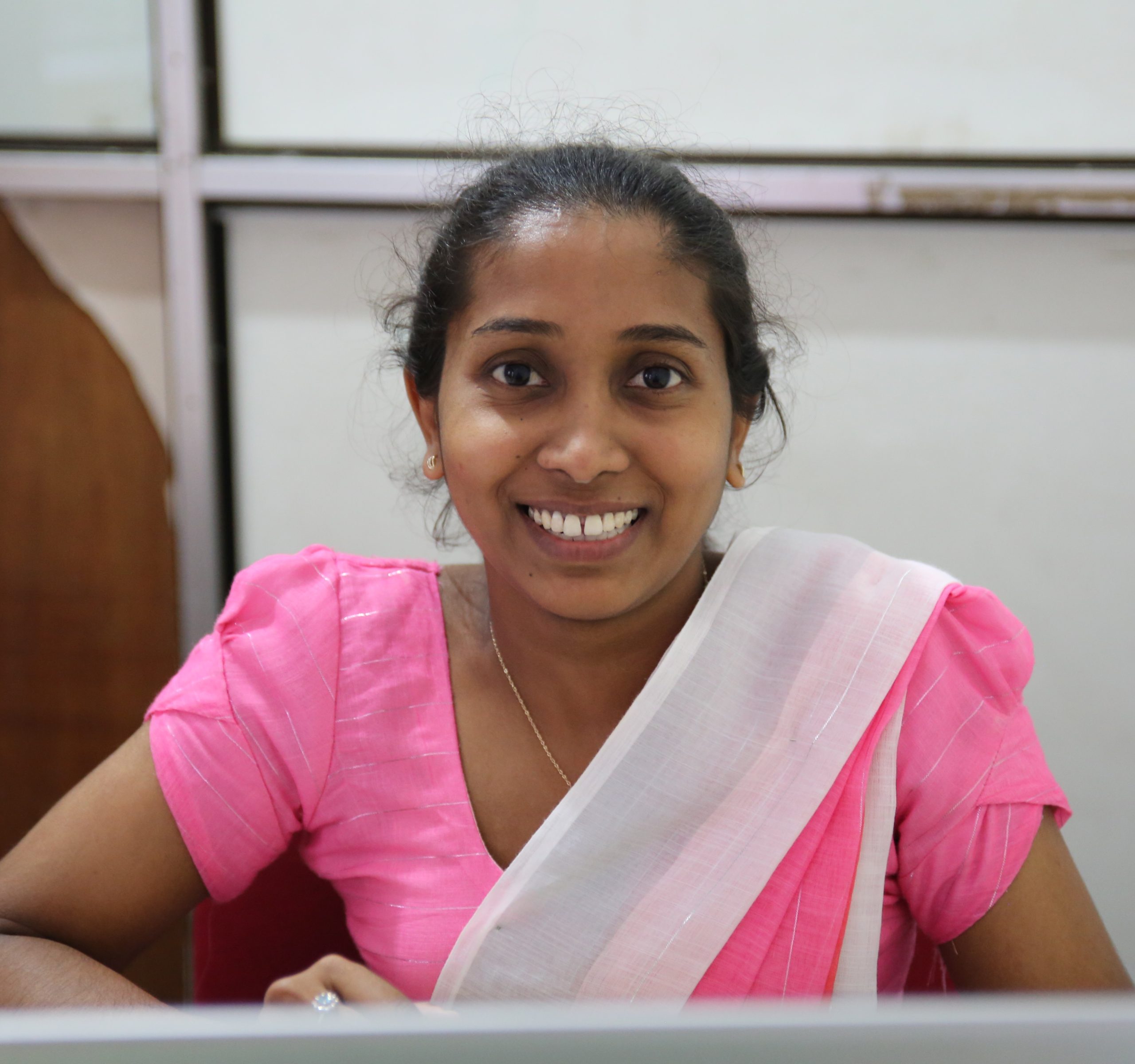
Ms. Prawardhani Menike
M & E Officer
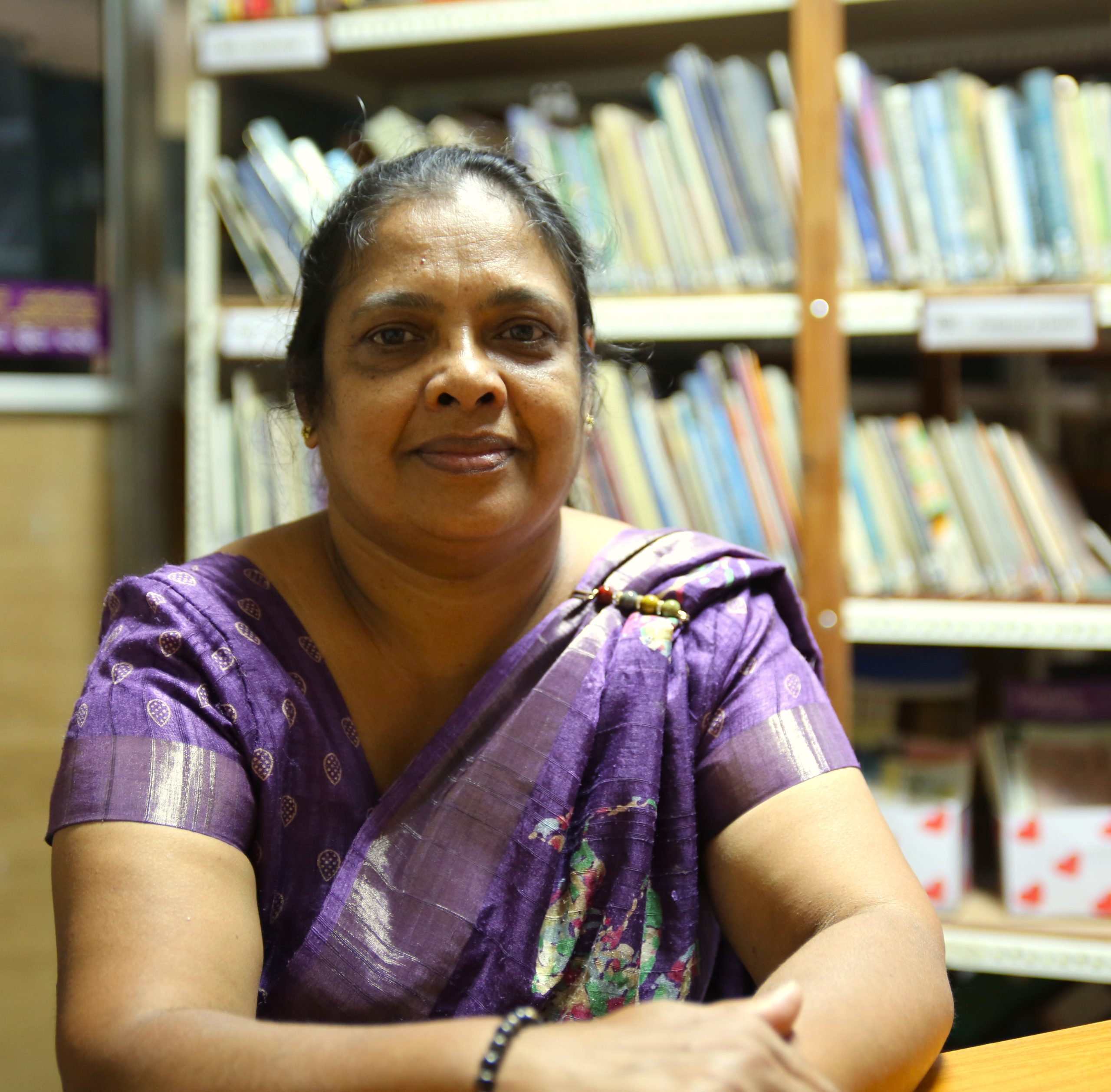
Ms. Dammika Podimenike
Child Protection Officer
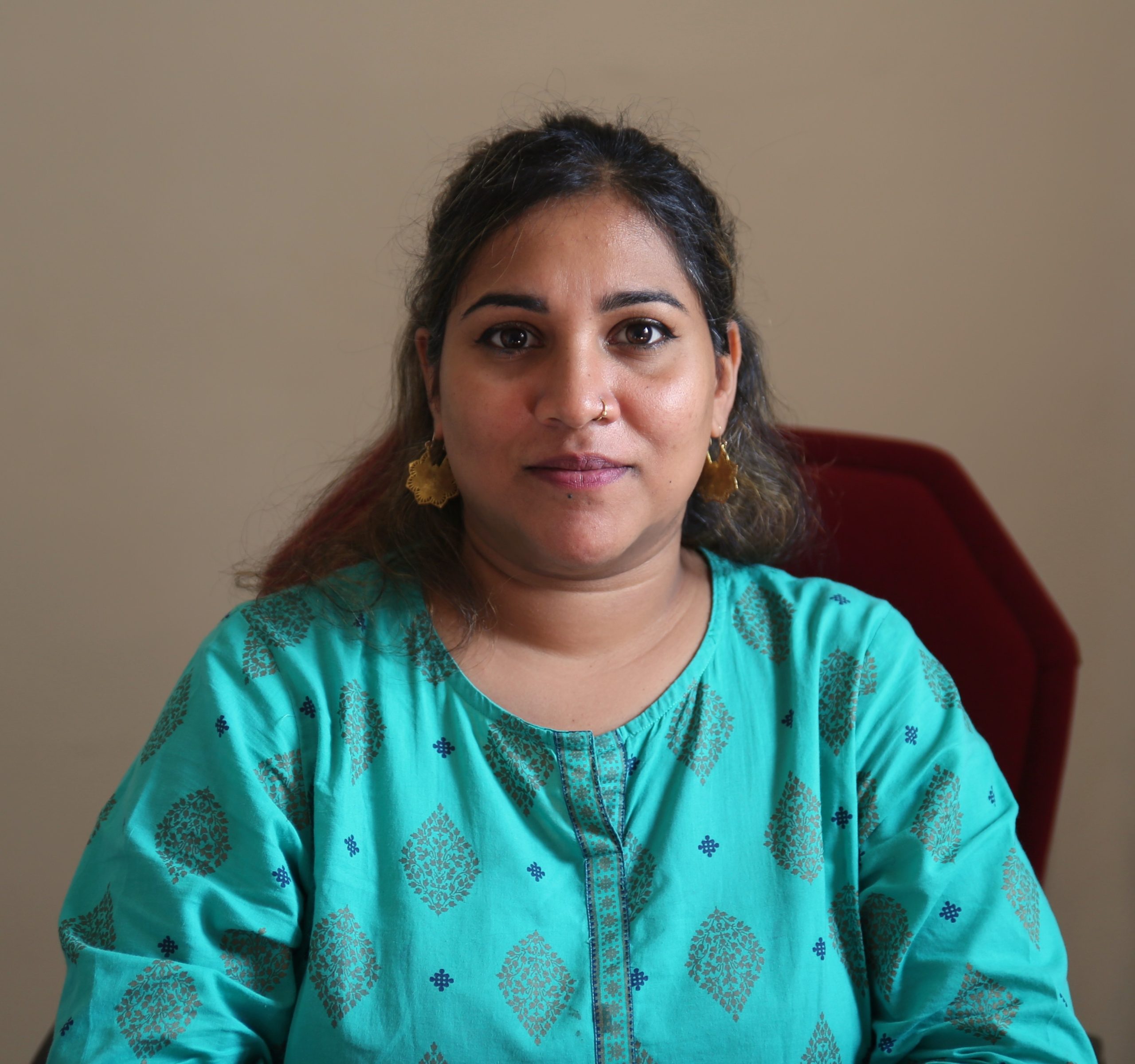
Ms. Tamara Stephen
Fundraising and Communications
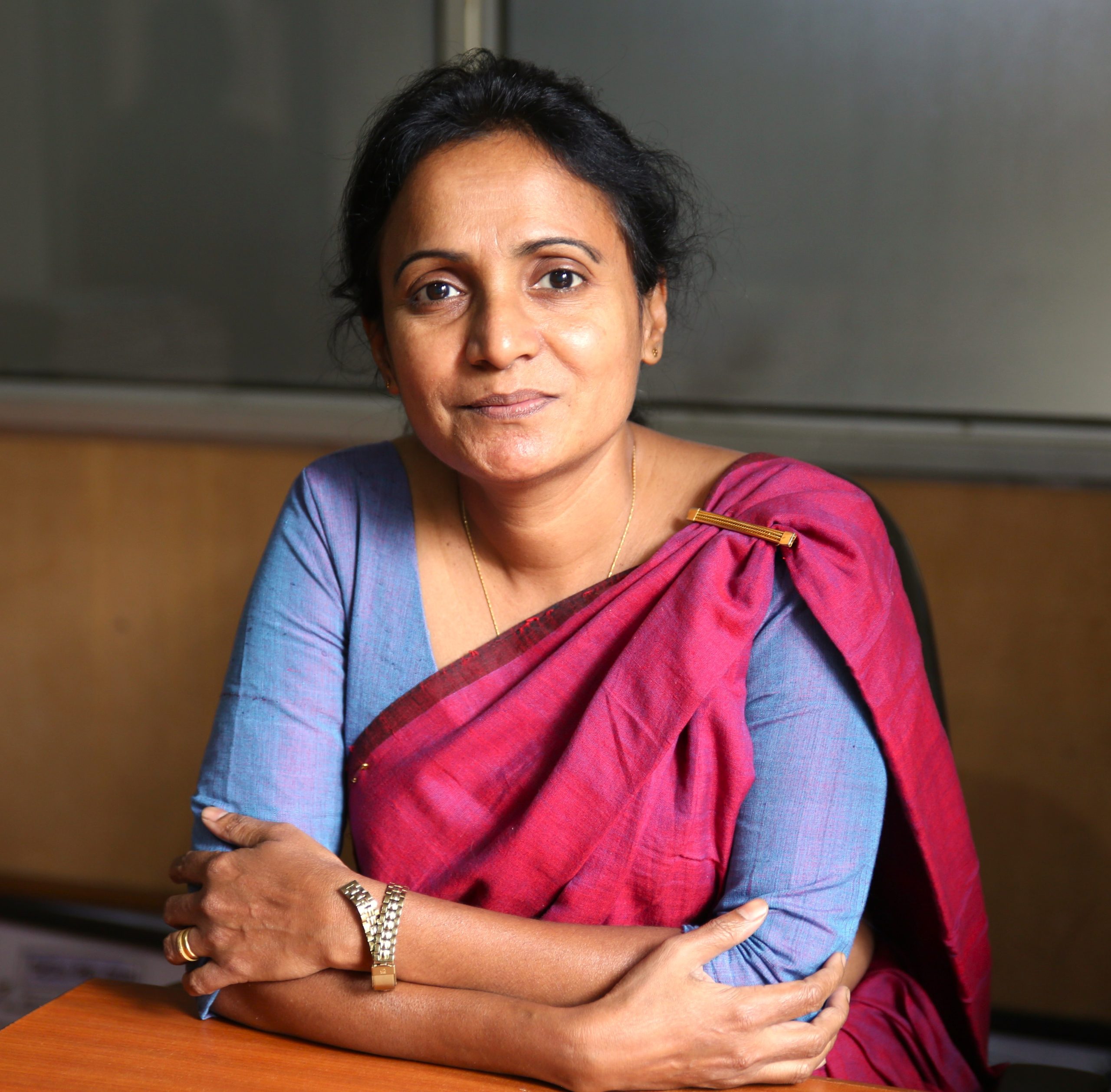
Ms. Nalini Fernando
Human Resource Manager
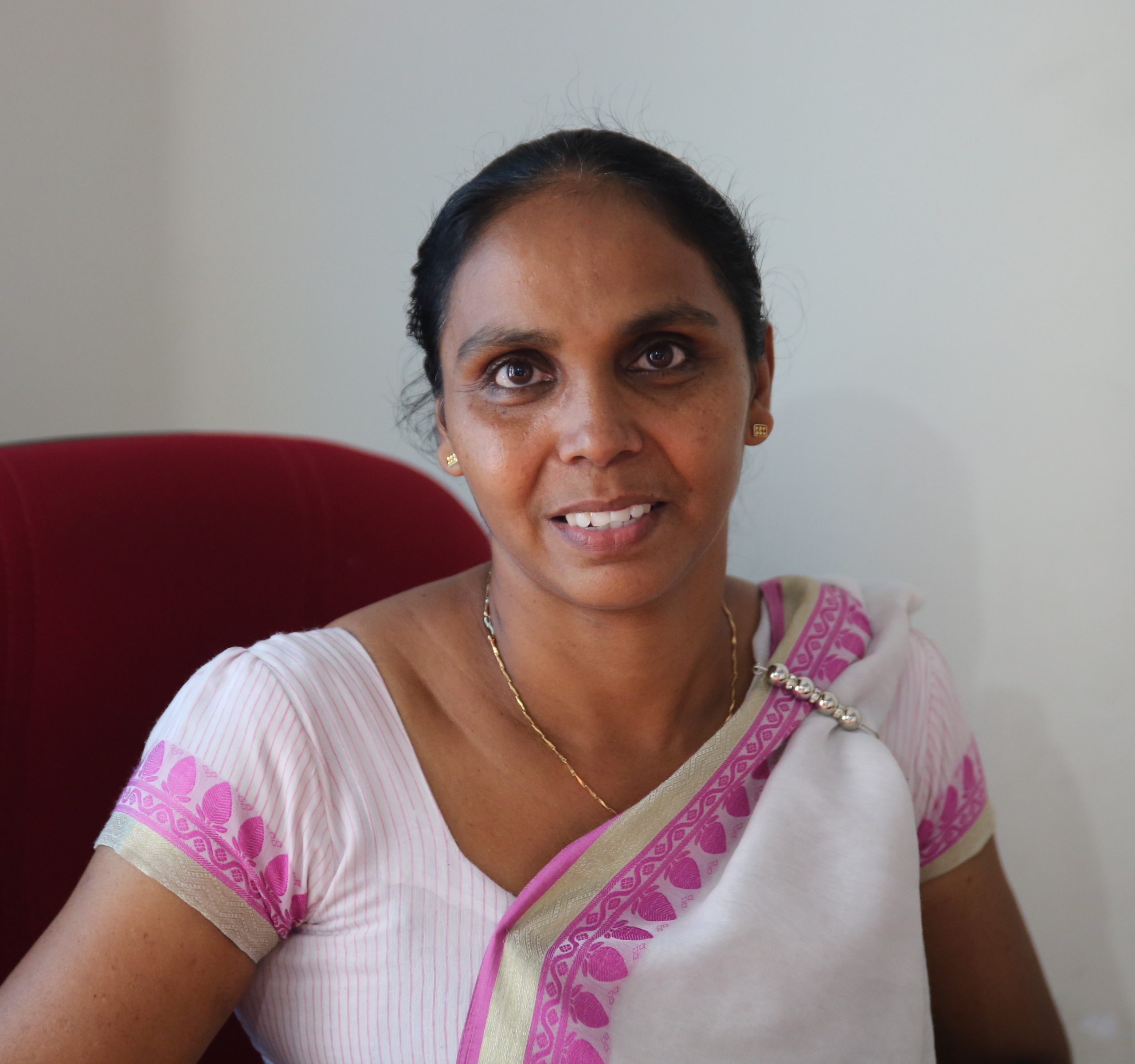
Ms. Nalika Ranathunga
Manager - Community Based Rehabilitation Program
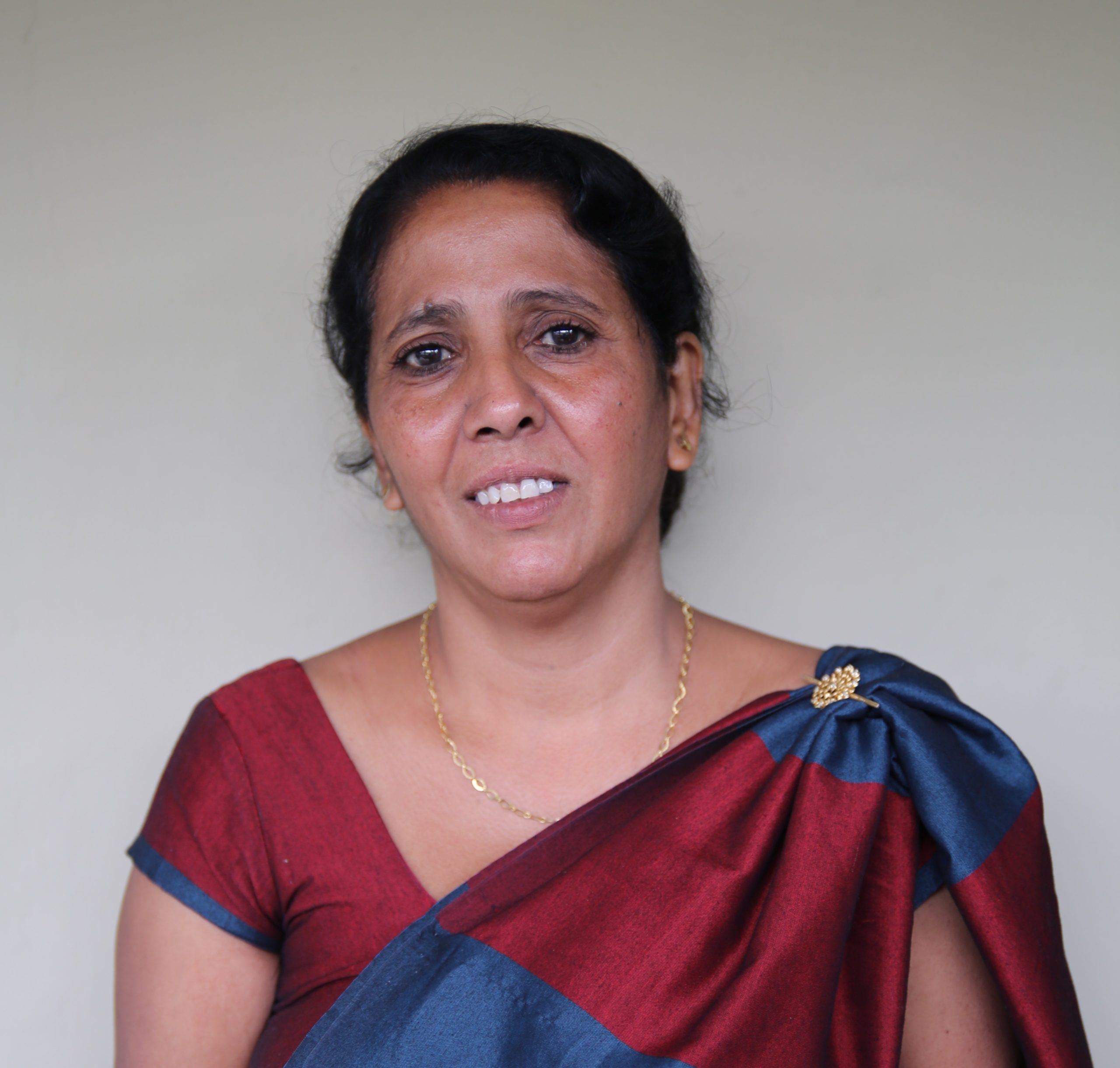
Ms. Chandani Pushpalatha
Manager - Crisis Intervention Programme
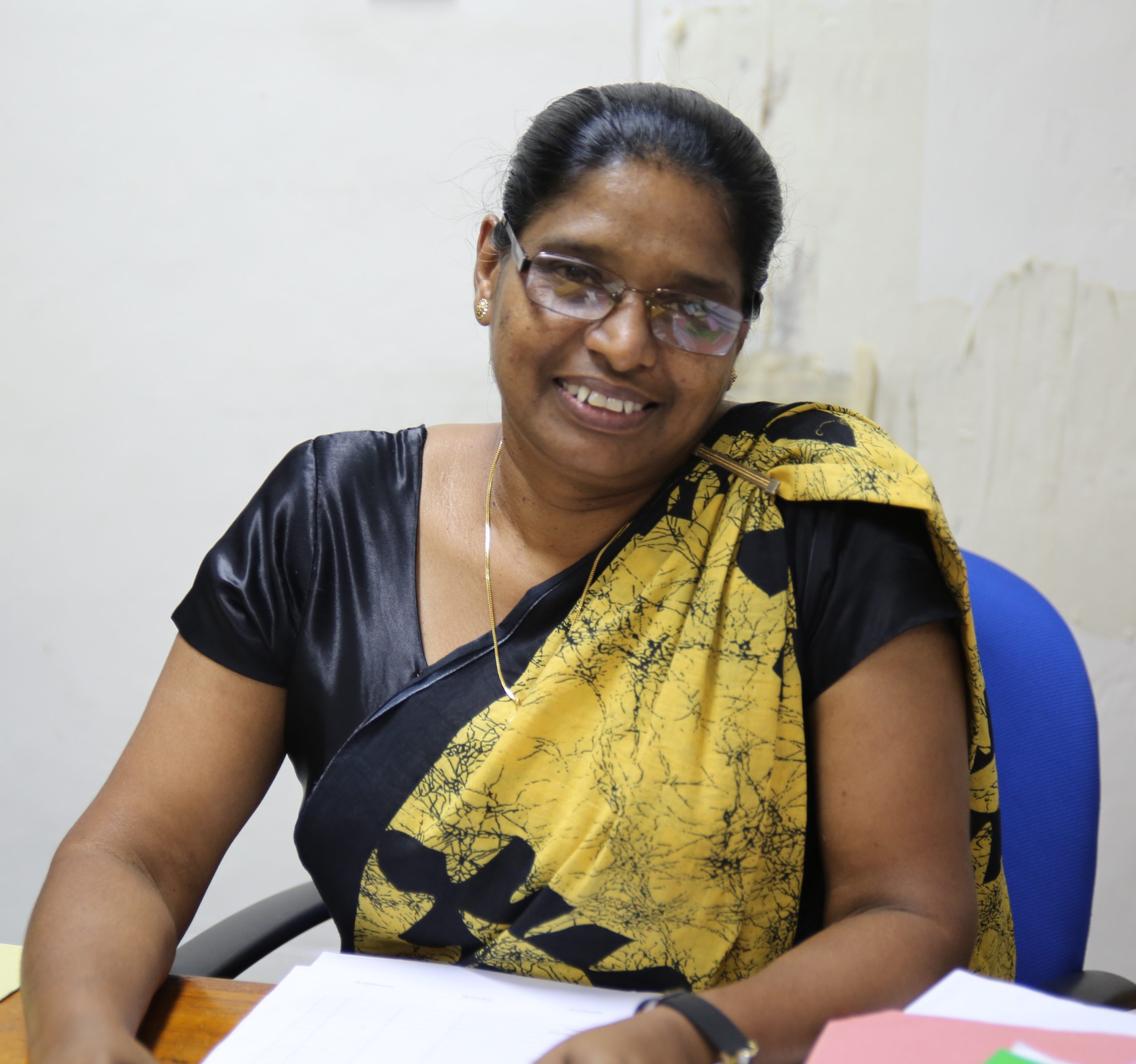
Ms. Indika Rathnayake
Network Coordinator

Ms. Ashwini Ragavan
Manager - Sthree Social Enterprise